



When a luxury hotel project in India runs behind schedule, the culprit is rarely the interior design team or the masonry contractors. It is almost always a container load of custom lighting fixtures or imported marble sitting on a wet dock at Nhava Sheva, blocked by a Customs appraiser who disputes the classification of a single component. For developers trying to coordinate these complex builds, navigating the bureaucratic customs process is a direct route to ruinous demurrage fees and delayed grand openings. To prevent these costly bottlenecks, developers rely on specialized expertise to manage the flow of goods, which is where DHE Hospitality Consultancy Services steps in to align procurement with Indian Customs regulations.
The friction points of hospitality procurement in India
Most general cargo forwarders treat a hotel project like any other industrial shipment, but a hotel is not a factory. Importing for hospitality means dealing with thousands of highly diverse stock keeping units arriving simultaneously, including delicate hand blown glassware, heavy commercial kitchen systems, smart room automation devices, and custom carved woodwork. Each of these items falls under a different chapter of the Indian Customs Tariff, and each carries its own set of regulatory compliance requirements.
The primary operational trap is assuming that because a supplier in Milan or Guangzhou is highly regarded, their documentation will pass muster with Indian customs. It rarely does. Missing Bureau of Indian Standards (BIS) certifications on electrical components, incomplete wood fumigation certificates, and vague descriptions on commercial invoices are common issues. When these shipments land, customs officers do not see a luxury hotel; they see a pile of non-compliant goods. Resolving these classification disputes requires deep technical knowledge of the Customs Tariff Act and a clear understanding of the project’s actual operational needs. To streamline this process, developers must utilize specialized customs clearance services that understand the nuances of hospitality imports.
How DHE Hospitality Consultancy Services de-risks project imports
Managing the import process for a major hotel development requires an approach that begins long before any cargo is loaded onto a ship. DHE Hospitality Consultancy Services functions as an intermediary between foreign suppliers, logistics providers, and Indian regulatory bodies, establishing a clear path through the complex import process.
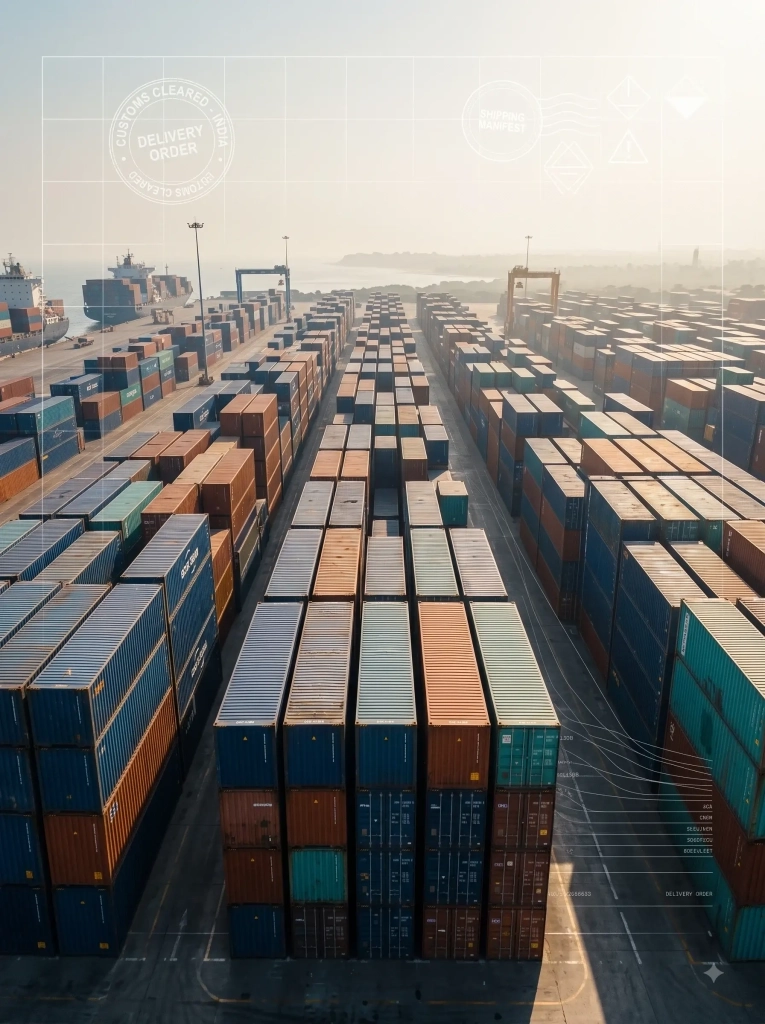
The core of this process is the Project Import scheme under Heading 9801 of the Indian Customs Tariff. This scheme allows all capital goods, raw materials, and spare parts imported for the initial setup or substantial expansion of a hotel project to be assessed at a single, concessional rate of basic customs duty. While this sounds financially attractive, the administrative burden of securing this benefit is immense. The process requires registering the project with the Customs house prior to the clearance of any goods, presenting detailed project reports, and submitting bank guarantees. A single documentation error can disqualify the entire shipment from the concessional rate, forcing the developer to pay standard duty rates that can be double or triple the projected cost.
The consultancy coordinates this process by auditing the developer’s contracts and purchase orders to ensure they align with the strict requirements of Heading 9801. They manage the preparation and submission of the registration files, coordinate with the plant site officers for physical inspections, and handle the final reconciliation of the project with Customs once construction is complete. This proactive management prevents the cash flow disruptions that occur when millions of rupees in duty concessions are frozen due to administrative delays. Securing a proper Project Import registration is the single most effective way to protect a hotel development budget from unexpected tariff spikes.
The tactical mechanics of Heading 9801 registration
To understand why this process is so difficult, you have to look at the daily friction of customs administration. Customs officials are naturally cautious, and their default response to unusual or highly specialized items is to classify them under the highest possible tariff rate. A custom built decorative screen might be classified as artwork, which carries high duty and complex import restrictions, rather than as a standard metal building component under the Project Import umbrella.
Is early registration under Heading 9801 really necessary?
Many developers believe they can begin importing goods and register the project retroactively once the bulk of the shipments arrive. This is a costly mistake. Any cargo cleared before the formal registration date of the Project Import contract cannot benefit from the concessional duty rate. This means the early stage imports, which often include high value structural components, commercial HVAC systems, and heavy kitchen equipment, will be taxed at standard, non-concessional rates. Early registration is not just recommended; it is a mandatory requirement for maintaining the project budget.
Can you clear custom furniture without BIS certification?
The short answer is no, but the reality is more nuanced. Indian regulatory bodies have tightened compliance on imports, particularly regarding Quality Control Orders (QCOs) issued for wood products, steel, and electrical goods. If a developer imports custom made guestroom furniture that lacks the necessary quality certifications, the shipment will be held at the port indefinitely. The consultancy addresses this by reviewing the technical specifications of all custom pieces during the procurement phase. If a specific manufacturer cannot meet Indian regulatory standards, the consultancy advises the developer to adjust the specifications or source from certified suppliers before any contracts are signed.
Managing valuation disputes and SVB investigations
Another major hurdle in hotel project imports is the valuation of goods, especially when a global hotel brand is importing items from related overseas entities or designated procurement hubs. Indian Customs scrutinizes these transactions through the Special Valuation Branch (SVB) to ensure that the relationship between the buyer and the seller has not influenced the transaction value of the imported goods.
An SVB investigation can stall a project for months if not handled correctly. Customs may demand extensive documentation, including global transfer pricing studies, financial statements of both entities, and detailed cost breakups of the manufactured goods. During the investigation, shipments are often cleared on a provisional basis, which requires the developer to pay extra duty deposits or submit bank guarantees. The consultancy helps developers navigate this by preparing the SVB case file in advance, ensuring that the transfer pricing documentation is clear, and presenting a defensible valuation methodology to the customs authorities. This structured approach minimizes the risk of heavy duty loading and long term litigation.
Financial guardrails: Managing demurrage and detention
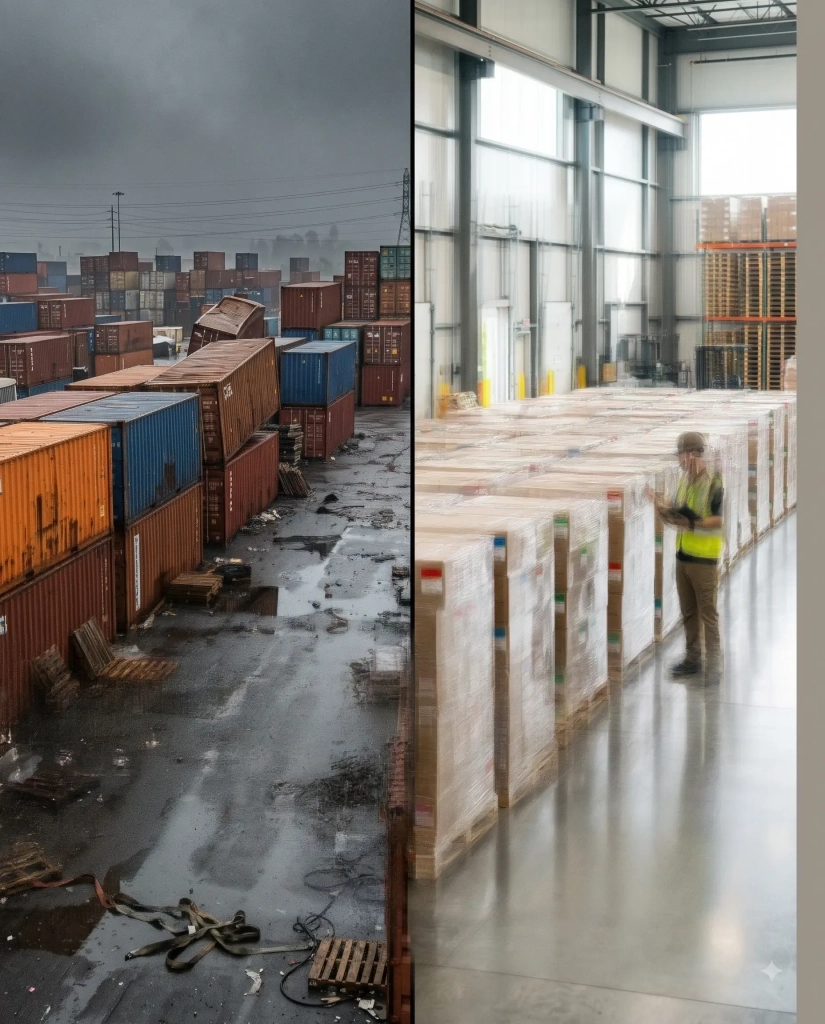
In international shipping, the cost of the freight is often dwarfed by the cost of delay. Demurrage, which is the fee charged by the port for keeping containers past their free days, and detention, which is the fee charged by the shipping line for holding their equipment, can accumulate to thousands of dollars per day. For a hotel project with fifty or sixty containers arriving over a three month window, these fees can quickly drain the contingency budget.
Preventing these costs requires active coordination between the procurement schedule and the shipping line negotiations. The consultancy works to secure extended free time agreements, often requesting 14 to 21 days of container free time instead of the standard 5 to 7 days, from the shipping lines before the cargo leaves the port of origin.
Alongside this, they establish a strict pre-clearance protocol. This involves filing a Prior Bill of Entry with Indian Customs up to 30 days before the vessel actually arrives at the port. By submitting the documentation early, the customs review process can begin while the ship is still at sea. If the customs appraiser raises queries regarding valuation or classification, those questions can be answered before the container touches the dock, allowing for immediate clearance upon arrival.
The difference between a profitable hotel launch and a delayed, over-budget nightmare lies entirely in the details of the pre-shipment documentation audit.
Take control of your hotel project logistics
Navigating the complexities of Indian customs and project import regulations requires more than just a standard freight forwarder. It demands a partner with deep, sector specific expertise who understands the unique demands of the hospitality industry. By engaging DHE Hospitality Consultancy Services, hotel developers and project managers can protect their budgets, avoid costly port delays, and ensure a seamless path from initial procurement to the grand opening.
Frequently asked questions
What is the main benefit of registering a hotel project under Heading 9801?
Registering under Heading 9801 allows all imported capital goods, construction materials, and initial spare parts for a hotel project to be assessed at a single, concessional rate of basic customs duty. This avoids the administrative hassle and higher costs of classifying hundreds of different items under individual tariff rates, saving developers significant capital during the construction phase.
How long does the Project Import registration process typically take?
The registration process with Indian Customs typically takes between 4 to 8 weeks, depending on the completeness of the documentation and the responsiveness of the regulatory authorities. It is essential to begin this process well before any shipments are scheduled to depart from the port of origin to ensure the registration is active before arrival.
Can old or refurbished hotel equipment be imported under the Project Import scheme?
Generally, the Project Import scheme is intended for new capital goods and materials required for the initial setup of a project. While second hand machinery can sometimes be imported under specific conditions, it usually requires chartered engineer certificates and is subject to strict valuation scrutiny by customs authorities, making it highly risky to include without expert guidance.
What happens if there is a discrepancy between the imported goods and the registered project import list?
If imported items do not match the pre-approved list submitted during registration, customs officials may reject the concessional duty rate for those specific items. The developer will then be forced to clear those goods under standard, higher duty rates, and may face penalties for misdeclaration, which highlights the need for precise itemized reconciliation throughout the project.
How does the Special Valuation Branch (SVB) affect hotel imports?
The SVB investigates transactions where the buyer and seller are related, such as an international hotel brand sourcing from its global procurement headquarters. Customs will examine whether the relationship has artificially lowered the declared value of the goods to evade duties, requiring detailed transfer pricing justification to avoid provisional duty loading and clearance delays.