


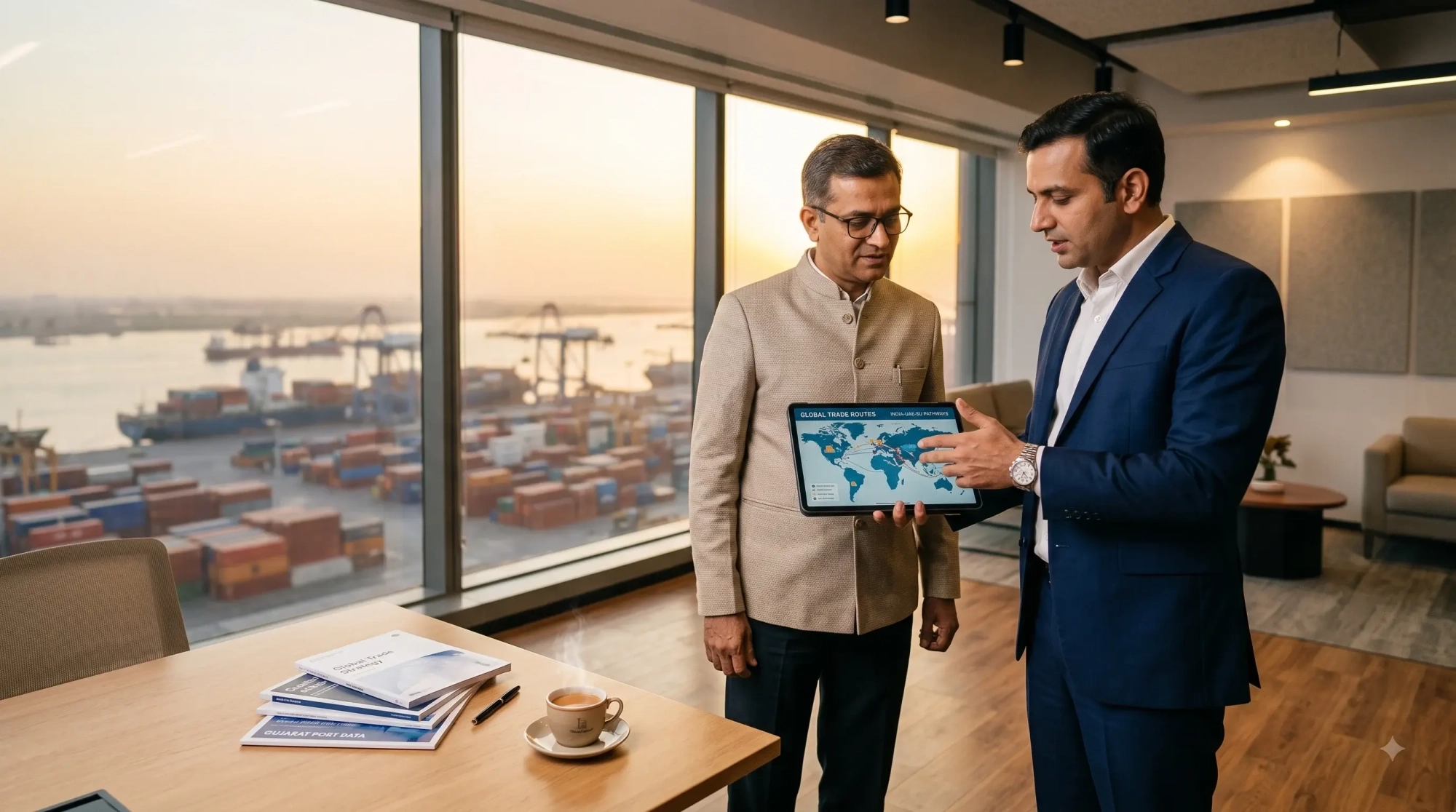
A container sitting at Mundra Port accumulating heavy daily fees because of a minor typographical error on a bill of entry is the exact moment you realize the true worth of your advisory partner. Finding the right Export-import consultant in Gujarat is not about hiring someone to fill out online templates, but about securing an experienced operator who knows how to keep your cargo moving when regulatory systems stall. Gujarat handles a massive share of India’s maritime cargo, yet many businesses treat compliance as a routine paperwork exercise. They hire generalists who understand the theory of global trade but lack the specific port-level experience and technical expertise required to resolve complex customs audits. If you are importing specialized manufacturing machinery or exporting agricultural commodities, a generic checklist will not protect you from expensive delays at the border. You need a partner who has managed physical cargo clearances, resolved valuation disputes, and navigated the specific local practices of Gujarat’s major maritime gateways.
Why port-level execution matters more than theoretical trade advice
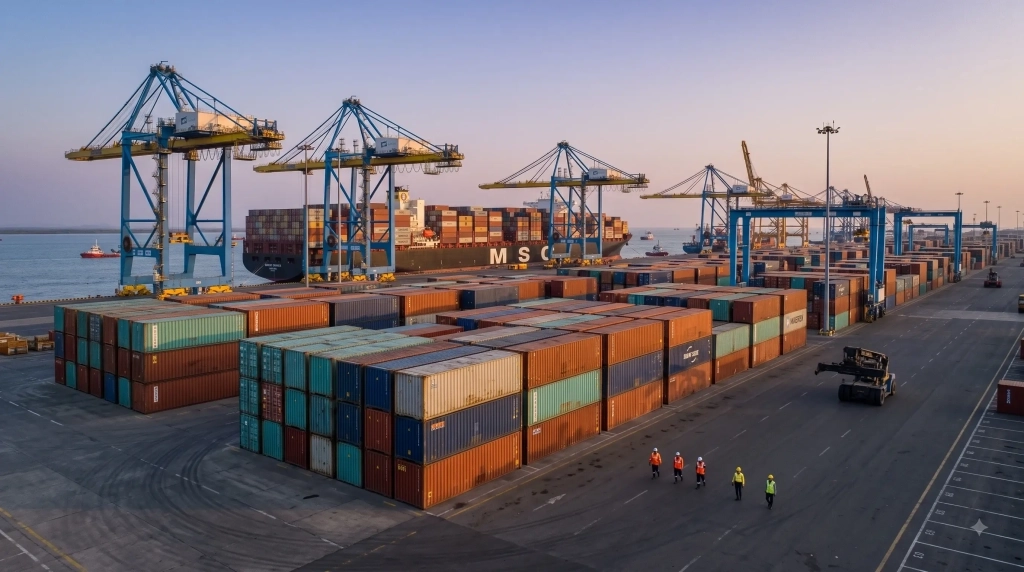
Many trade advisors operate out of comfortable corporate offices in major cities like Ahmedabad or Vadodara, offering high-level advice on trade agreements and tariff classifications. While policy understanding has its place, the real friction in international shipping occurs at the physical points of entry and exit. The operational environment at Mundra Port is fundamentally different from that of Hazira Port or the various inland dry ports across the state. Each customs house has its own physical inspection pacing, its own interpretation of circulars, and its own local systemic bottlenecks.
When a shipment of chemical raw materials arrives, an off-site advisor might assure you that your paperwork is legally compliant. However, an experienced on-the-ground team knows that the local customs officer at a specific terminal might demand secondary testing reports for that specific chemical grade. A seasoned advisor anticipates these local preferences before the vessel even departs the origin port. They ensure that the pre-arrival customs clearance documentation is filed within the tight windows mandated by the Central Board of Indirect Taxes and Customs. This level of preparation prevents the compounding storage fees and demurrage charges that can quickly destroy the profit margins of an entire shipment.
How to evaluate an Export-import consultant without falling for sales pitches
To separate the sales professionals from the genuine logistics experts, you must ask targeted, operational questions. Ask about their direct experience with the Directorate General of Foreign Trade and their history of resolving complex classification disputes under the Harmonized System codes. It is common for consultants to claim they can handle any commodity, but global trade compliance is highly specialized. A firm that excels at clearing agricultural products like castor seeds or cumin may be entirely unprepared for the rigorous compliance demands of hazardous chemicals, engineering goods, or scrap metal imports.
Is local port presence worth the extra cost?
Some businesses try to save money by hiring remote advisors based in other states, relying on local sub-agents to handle the physical clearance. This split-responsibility model often fails when urgent issues arise. If a customs officer raises a query on a bill of lading or disputes the declared transaction value of an import, a remote consultant cannot physically walk into the customs house to clarify the matter. They rely on third-party intermediaries who lack the technical knowledge to defend your position. Having a consultant with direct, physical offices at the major ports of Gujarat ensures that there is a qualified professional representing your interests face-to-face with customs authorities. This direct representation dramatically reduces the turnaround time for resolving documentation queries.
For support at the port, many enterprises choose to integrate their advisory needs with operational execution. You can learn more about how physical logistics and compliance intersect by exploring our customs clearance services, which show the importance of having professional representation at the port.
Can you manage customs clearance without a local partner?
Technically, yes, a company can set up an in-house team to handle its own filing through the online ICEGATE portal. However, the learning curve is steep and the financial consequences of mistakes are severe. Customs regulations, anti-dumping duties, and import-export benefits under schemes like the Rodtep scheme or Advance Authorization are subject to frequent, sudden changes. An in-house team often struggles to keep pace with these updates while managing daily operations. A specialized partner acts as an early warning system, helping you adapt your supply chain strategy before new regulations take effect. They possess the specialized software, the established relationships, and the daily operational volume to spot regulatory trends that an isolated internal department would miss.

Red flags to watch for when selecting trade advisors
In your search, you will encounter numerous firms making bold claims about their capabilities. The most dangerous advisors are those who promise guaranteed clearance times or zero-duty imports. In international trade, no one can guarantee a specific clearance window because customs authorities have absolute discretion to inspect and detain cargo. An honest consultant will give you a realistic timeline based on current port congestion and historical data. They will also be transparent about potential risks, such as valuation disputes or laboratory testing delays for sensitive goods.
Another major warning sign is a lack of transparency regarding fee structures. Some consultants offer low upfront service fees but quietly inflate secondary costs like cartage, agency charges, or documentation fees. Always demand a clear, line-item schedule of charges before signing any contract. Ensure they outline exactly what is included in their service fee and what constitutes an additional charge. If you need a clear view of how end-to-end logistics costs are structured, you can review our guide on freight forwarding solutions to understand how different operational fees are calculated and managed.
Should you trust a consultant who guarantees zero customs delays?
Absolutely not. Any guarantee of zero delays is a clear sign of unprofessionalism or unethical practices. Customs inspections are often randomized or triggered by broader national security parameters that are entirely outside of any consultant’s control. What you should look for instead is a consultant who has a proven, structured process for handling delays when they do occur. They should have clear escalation paths, a deep understanding of the Customs Act of 1962, and the ability to file official appeals or provisional clearance bonds when necessary. Their value lies in their ability to minimize the duration of a delay through professional, lawful advocacy, not in making empty promises about avoiding inspections altogether.

Structuring your advisory partnership for long-term compliance
Once you identify a qualified candidate, the way you structure your working relationship is critical. Compliance is not a one-time project; it is an ongoing operational commitment. You should establish clear performance indicators that focus on accuracy and compliance rather than just speed.
The most successful import-export operations are built on proactive communication. A great consultant does not just react to problems at the port; they audit your documentation processes months before a shipment is even planned.
Your consultant should conduct regular compliance audits of your past shipments to identify any potential liabilities or missed opportunities for duty drawbacks. They should also provide training for your internal procurement and sales teams to ensure that your commercial contracts, especially your choice of Incoterms, are matched with your physical logistics capabilities and tax planning strategies. This proactive approach ensures that your business remains compliant even as global trade policies shift.
Securing your international supply chain with DHE Group
Navigating the complexities of global trade requires a partner who combines technical compliance expertise with real-world port capability. At DHE Group, we act as a dedicated Export-import consultant in Gujarat, offering end-to-end trade advisory, customs clearance, and freight management services. We help businesses streamline their documentation, resolve valuation disputes, and minimize transit delays at Mundra, Hazira, and other major ports across India. To discuss your specific trade challenges and see how we can optimize your compliance processes, Let us help you build a more resilient and efficient international supply chain.
Frequently asked questions
What is the primary role of an export-import consultant in Gujarat?
An export-import consultant advises businesses on trade regulations, customs clearance procedures, tariff classifications, and duty incentive schemes. In Gujarat, which features major maritime gateways like Mundra and Hazira, these consultants also bridge the gap between regional customs offices and businesses, ensuring documentation complies with the latest Indian customs mandates and local terminal practices.
How do trade consultants help resolve customs valuation disputes?
When customs authorities dispute the declared value of imported goods, a consultant helps compile objective evidence, such as manufacturer price lists, payment receipts, and historical transaction data of similar imports. They represent your business during discussions with customs officials, using the provisions of the Customs Valuation Rules to justify your declared transaction value and prevent arbitrary duty hikes.
Can a consultant assist with securing benefits under DGFT schemes?
Yes, experienced consultants specialize in navigating Directorate General of Foreign Trade schemes, including Advance Authorization, EPCG, and the Rodtep scheme. They evaluate your eligibility, manage the application process, and ensure you comply with export obligations and record-keeping mandates to avoid penalties or interest charges from the government.
What is the difference between a customs broker and an import-export consultant?
A customs broker is licensed to handle the physical filing and clearance of cargo at specific ports of entry. An import-export consultant provides broader advisory services, such as tariff optimization, trade compliance audits, and supply chain design. Many modern logistics firms combine both roles, offering unified advisory and physical customs brokerage services under one roof.
How should a business verify the credentials of a consultant in India?
Begin by verifying their customs broker license status and checking their registrations with relevant trade bodies. Ask for case studies or client references within your specific industry sector to prove they have managed similar cargo. You should also confirm that they have active, physically staffed offices at the ports where your cargo physically lands to ensure reliable on-the-ground support.